Claim Denied for Coordination of Benefits? The Quick Update That Unfreezes Your Claims
A coordination of benefits (COB) denial usually means your insurer thinks another plan might pay first, or it’s waiting for you to…

A coordination of benefits (COB) denial usually means your insurer thinks another plan might pay first, or it’s waiting for you to…

The most common claim denial reasons are missing or inaccurate claim data, authorization problems, incomplete patient information, coding errors and non-covered services,…

A Medicare Part A or Part B claim appeal is the formal process a provider, supplier or beneficiary uses to challenge an…
No, you can’t keep it. When a tertiary payer like Aetna pays as if it were secondary, the extra money is still…
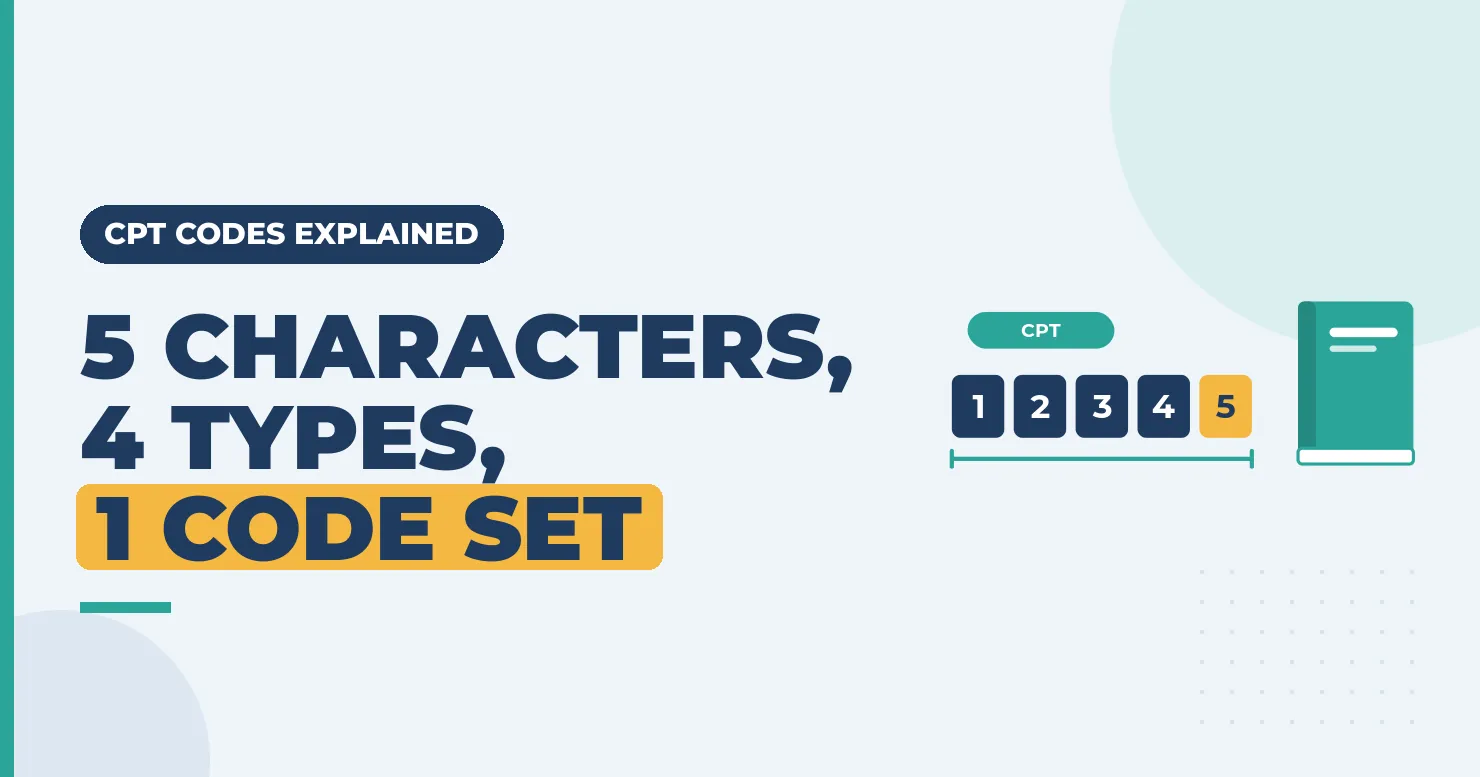
CPT codes are five-character codes from the American Medical Association’s Current Procedural Terminology code set, meaning a standard shorthand that providers put…

Medical billing is the process of turning a patient visit into a paid claim, meaning the provider’s services and diagnoses are coded,…
CPT 87798 is being denied for 13 units because payers have moved this code into active enforcement in 2026, and 13 units billed on a single date of service trips every automated edit that enforcement triggers.
When Connecticut Medicaid denies CPT 90839 and 90840 with the reason “coverage/program guidelines were not met”, it is not saying the crisis session did not happen.
If you are billing CPT 15771 and 15772 and receiving the denial message “The primary service code was not submitted therefore the secondary code is not allowed”, you are not alone. It is one of the most common fat grafting add-on code denials.
A coder posted this question in a billing community forum: what CPT code is everyone using for injections of Juvederm Ultra XC to bilateral breasts?