Out-of-Network Anesthesiologist at an In-Network Hospital? Your No Surprises Act Rights
Say your hospital or surgery center was in network, but the anesthesiologist, radiologist, pathologist or lab wasn’t. The federal No Surprises Act…

 Manikandan J
Say your hospital or surgery center was in network, but the anesthesiologist, radiologist, pathologist or lab wasn’t. The federal No Surprises Act…
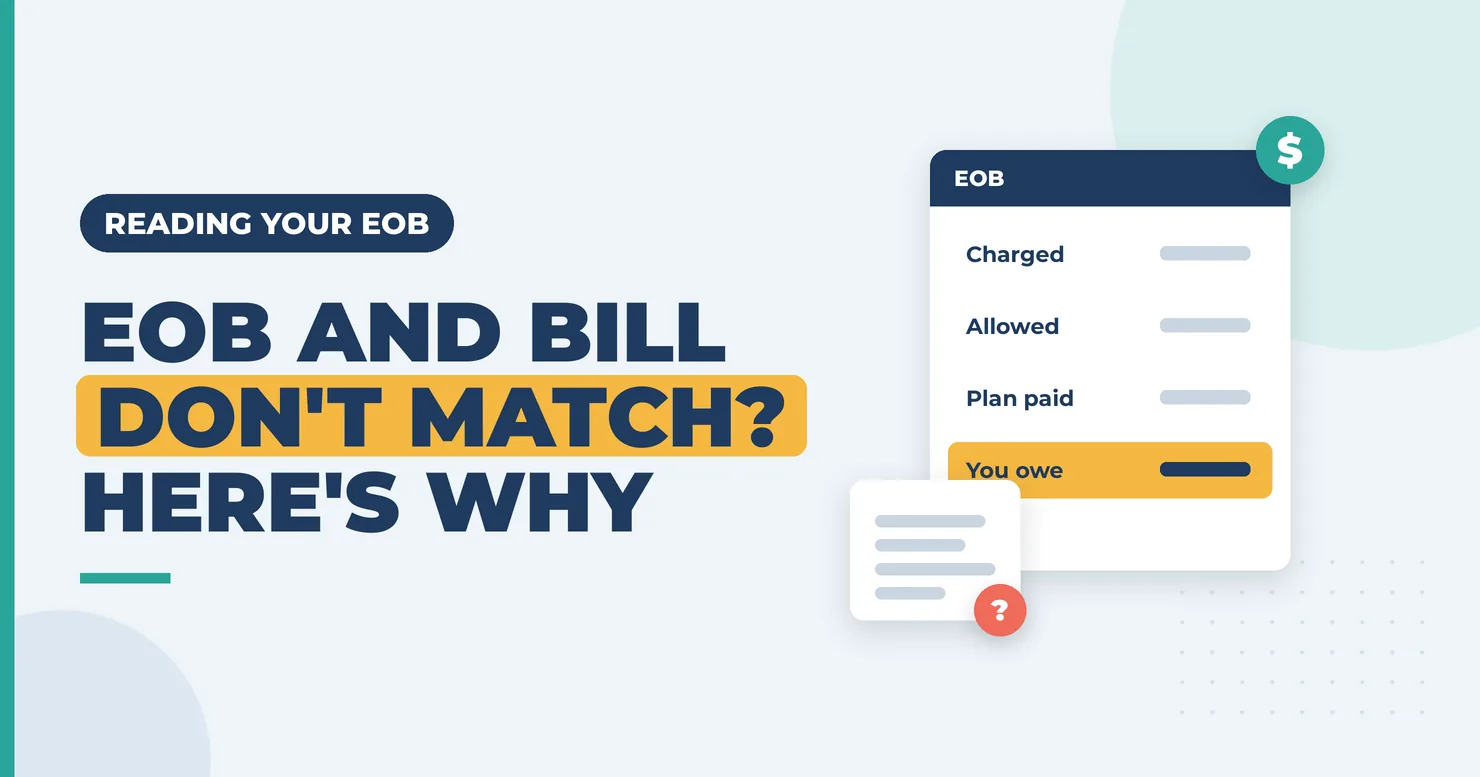
An Explanation of Benefits (EOB) is your insurer’s receipt for a claim. It is not a bill. To read one, find four…
When prior authorization is denied, don’t cancel your care yet. First, get the denial reason and reference number from your doctor’s office.…
You can fight a “not medically necessary” denial, and you have more time and more rights than most people think. Ask your…
Most private health plans must cover recommended preventive care with no cost sharing when you use an in-network provider. That includes a…
First, find out which kind of denial you have, because each needs a different fix. If your plan excludes weight-loss drugs, an…
A coordination of benefits (COB) denial usually means your insurer thinks another plan might pay first, or it’s waiting for you to…
The most common claim denial reasons are missing or inaccurate claim data, authorization problems, incomplete patient information, coding errors and non-covered services,…

A Medicare Part A or Part B claim appeal is the formal process a provider, supplier or beneficiary uses to challenge an…
No, you can’t keep it. When a tertiary payer like Aetna pays as if it were secondary, the extra money is still…